Every mark on a DR. KRATOS can is cut in the same line work, the figure, the passiflora, the ginger root, and every botanical that will follow.
It would be considerably faster to photograph the fruit.
Why line, not photography
Photographed fruit dates. It ties a can to a moment, a styling trend and a retoucher. Engraving does not, it belongs to the tradition of banknotes, share certificates and apothecary labels, and it has looked the same for two hundred years.
It also holds together at any size. The same drawing works at 40 mm on a can, at 3 mm on a crown, and blown up across a wall.
One hand across the range
The rule is that line weight, direction and density never change between products. Each new flavour gets its own botanical, cut by the same hand at the same weight.
That is the slowest possible way to build a range. It is also the only way a range of twenty still looks deliberate rather than assembled.
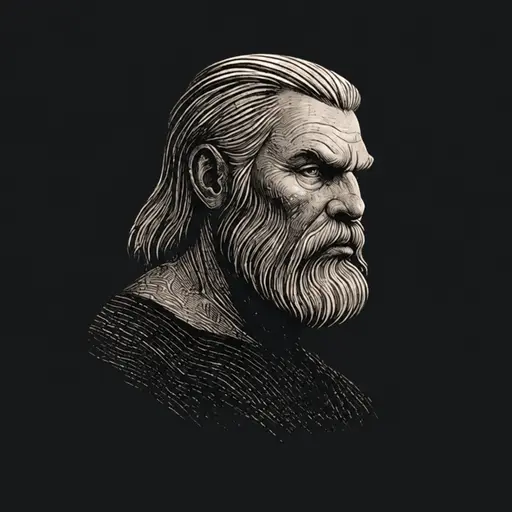 DR. KRATOS